
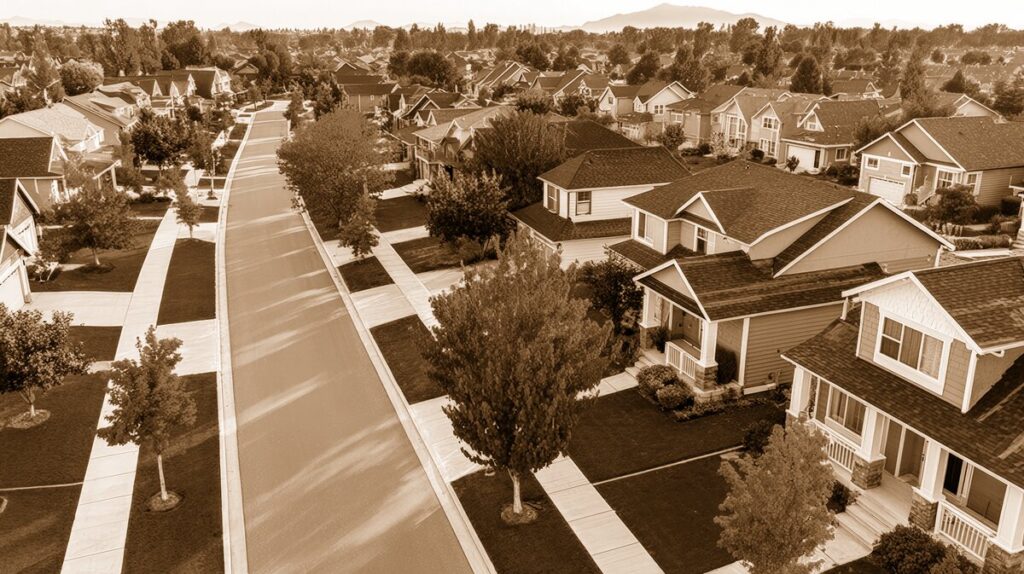
Autumn Glen, nestled in the lush, rolling hills on the southeast edge of Siloam Springs, has long captured the hearts of residents and visitors alike. With mature shade trees, inviting cul-de-sacs, and a quietly proud community spirit, Autumn Glen’s past and present are woven tightly into the greater narrative of Siloam Springs. Dive into the history and heritage of this cherished neighborhood and see why it’s much more than just another place to live—it’s a place to belong.
The Origins of Autumn Glen
Autumn Glen’s story traces back to the early 1980s, when Siloam Springs was seeing a period of mindful growth. At the time, the city was expanding outward from downtown, and there was a growing demand for family-friendly neighborhoods set away from the bustle of Main Street yet close enough for convenience.
The land that would become Autumn Glen was previously a patchwork of rolling pasture and oak woodlots, owned for generations by local farming families. With vision and respect for the land’s natural contours, the first developers planned a community that would preserve the beauty of native trees and existing open spaces—which today provide that distinct, tranquil feel along streets such as Autumn Glen Avenue and Redbud Lane.
How Autumn Glen Got Its Name
The naming of Autumn Glen reflects a simple, yet poetic observation by the neighborhood’s founding developer. Late in the fall of 1984, while staking out plots and walking with potential homebuyers, he noted how the small valley—or “glen”—was ablaze with the fiery colors of Arkansas maples and oaks. His journal from that time reads: “There’s no better view than these woods in autumn—it’s a true glen of colors.” Thus, Autumn Glen was born.
Soon after, street names like Maple Leaf Court and Harvest Drive followed the theme, anchoring the neighborhood’s identity in the vibrant seasonal beauty that sets it apart.
Key Historical Milestones
- 1985: The first houses began construction along Autumn Glen Avenue. The original covenants emphasized wide setbacks, front porches, and space for gardens—themes that still enrich the neighborhood today.
- 1989: Autumn Glen Park was established on a donated parcel off Woodbine Street. Its playground, picnic pavilion, and walking trail quickly became a gathering spot for families and neighbors.
- 1992: The neighborhood welcomed its first annual “Autumn Fest,” a now-beloved tradition featuring outdoor concerts, chili cook-offs, and hayrides down Honey Locust Lane.
- 2001: Siloam Springs’ comprehensive plan recognized Autumn Glen as a model neighborhood, lauding its thoughtful layout and engaged residents.
- 2015: The original park playground was renovated and expanded, ensuring a new generation of children would enjoy the same timeless joys.
Notable Landmarks and Buildings
While Autumn Glen is primarily a residential neighborhood, it is dotted with landmarks that form the backbone of its identity:
- Autumn Glen Park: Located at the neighborhood's heart off Woodbine Street, this green space invites everyone from toddlers to dog walkers. The shaded benches under aging maples are perfect for storytime or simply watching the sunset.
- The Redbud Bridge: A charming footbridge along the walking trail, built by a partnership between residents and the local Boy Scouts in 1997. During spring, its rails are decorated with handmade birdhouses.
- Cornerstone Community Church: Though on the edge of the neighborhood along Dogwood Lane, this small, friendly congregation has hosted neighborhood meetings and charity drives for decades, reinforcing Autumn Glen’s reputation for neighborliness.
Evolution and Community Spirit
What has made Autumn Glen endure as a beloved neighborhood for nearly four decades? It’s the people and the principles guiding them: front porch conversations, annual yard sales, and neighbors who look after each other, old and new.
Over the years, as Siloam Springs has flourished with new schools and businesses, Autumn Glen has adapted while keeping its roots intact. The original ranch and craftsman-style homes now mix with tasteful newer builds, each set among the ever-present mature trees. Young families and retirees alike find common ground in the shared green spaces and friendly faces on evening walks.
Institutions like Allen Elementary School—just a short stroll up County Line Road—help connect Autumn Glen to the city’s educational and cultural life, while small details such as hand-painted “Welcome Autumn” signs and community bulletin boards continue the tradition of neighborly outreach.
Why Autumn Glen Is Special
There’s something quietly magical about Autumn Glen. Maybe it’s the way the morning mist curls above the rooftops, or the chorus of crickets on summer nights. Perhaps it’s the timeless sense of safety; children ride bikes down Harvest Drive, just as their parents once did.
As Siloam Springs continues to grow, Autumn Glen remains a model of what is possible when thoughtful planning, respect for natural beauty, and a spirit of togetherness come together. It’s a living tapestry of stories—of picnics under the redbuds, snowmen standing sentry along Maple Leaf Court, and family traditions spanning generations.
In Autumn Glen, history is truly alive—season after season.